
24 September 2026 · 4 min read · By Mercedes Muela Ripoll
Municipal gains tax when selling in Alicante
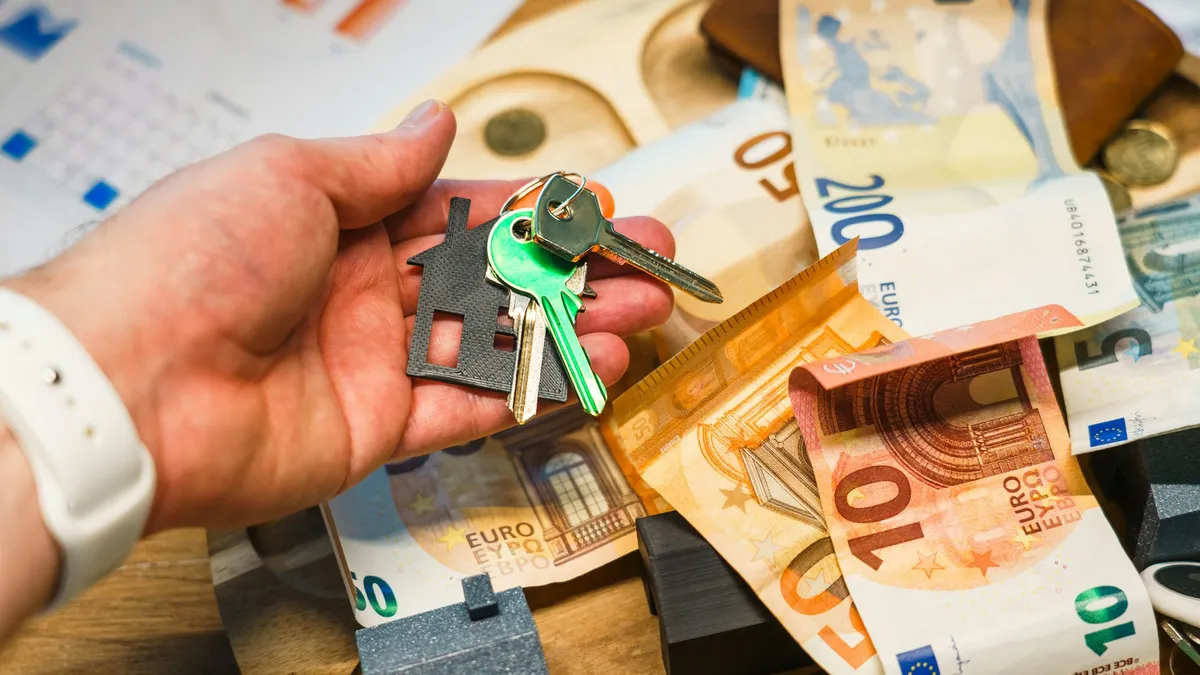
You sign the deed, hand the new keys to the buyer, and walk out of the notary thinking the sale is done. Not quite: within the next 30 working days, a tax is waiting for you that many sellers forget about until the notice from the town hall arrives. It’s called plusvalía municipal, the municipal capital gains tax, and if you’ve just sold a flat in Alicante, you’re the one who pays it, not the buyer.
What it is and why you’re the one who pays
Its full name is Impuesto sobre el Incremento de Valor de los Terrenos de Naturaleza Urbana (IIVTNU), but almost nobody uses that outside a notary’s office. What it taxes isn’t your home itself, it’s the land underneath it: the idea is that the land gains value on its own, without you doing anything, simply because you held it for a while. Think of it as a plot of land that fattens up over time even if you never water it.
For a sale, Alicante’s tax ordinance is clear about who pays: the transferor, meaning you as the seller. The only exception is when the seller is a non resident individual, in which case the buyer acts as a substitute and is the one who has to pay it in, though the law then gives the buyer the right to pass that cost on to you as the seller, something worth putting in writing in the contract before signing.
How it’s calculated: two methods since 2021
Until 2021, the calculation was almost automatic: a table of percentages applied based on how many years you’d owned the home, and the result was almost always a taxable gain, even when you sold at a loss. Spain’s Constitutional Court struck that system down in its ruling 182/2021, of 26 October, for failing to reflect the seller’s actual financial capacity. The government responded with Royal Decree Law 26/2021, in force since 10 November that year, which still sets the rules today.
Since then, there are two ways to calculate the tax base, and you can choose whichever comes out cheaper:
- Objective method: a coefficient (updated annually by state law) is applied to the cadastral value of the land, based on how many years you’ve owned the property.
- Real method: the sale price is compared with the purchase price, both as they appear in the deeds, and the proportion of the cadastral value that corresponds to the land is applied to that gain.
In Alicante, a 30% rate applies to the base from whichever method you use, the maximum allowed under Spanish state law for this tax.

When you owe nothing: selling at a loss
This is the nuance most sellers don’t know about: if you sell for less than you paid, you’re not required to pay municipal gains tax at all. This possibility comes from an earlier Constitutional Court ruling, 59/2017, which had already established that charging a tax on a value increase that never happened made no sense. Royal Decree Law 26/2021 wrote it into law as an explicit non taxable event.
It isn’t automatic: you have to prove it yourself, by comparing the acquisition and transfer values on your deeds, and file it that way with the town hall within the same deadline as an ordinary self assessment. If your situation looks close to this case, it’s worth checking before assuming you owe the tax by default.
Deadline and who files the paperwork
You have 30 working days from the date of the deed to file the self assessment and pay it, unlike the ITP on the purchase side, which is paid to the Agència Tributària Valenciana; municipal gains tax is managed directly by the Ayuntamiento de Alicante, not the regional government. In practice, the notary or a gestoría usually takes care of calculating and filing it on your behalf, but making sure it gets paid on time is still your responsibility as the seller.
What this means for your selling strategy
This tax isn’t deducted from the price you agree with the buyer, it’s deducted from what you actually take home after the sale. That’s why it’s worth factoring in from the start, alongside the estate agent’s commission and mortgage cancellation if there is one, rather than discovering it at the end when there’s no room left to adjust anything. If you’re still deciding what price to bring your home to market at, it’s worth checking first how we work out what your flat in Alicante is worth, and if you bought recently and are now wondering about the tax side of that transaction, here’s what the ITP cut to 9% changed for buyers.
Conclusion
Municipal gains tax is one of those taxes almost nobody budgets for until it’s time to pay it, and to me that seems backwards: the earlier you factor it in, the fewer surprises you’ll have when closing the sale. Had you already accounted for this cost when working out what you’d walk away with, or did it catch you off guard like it does most sellers?