
25 August 2026 · 4 min read · By Mercedes Muela Ripoll
Home staging: why it sells faster
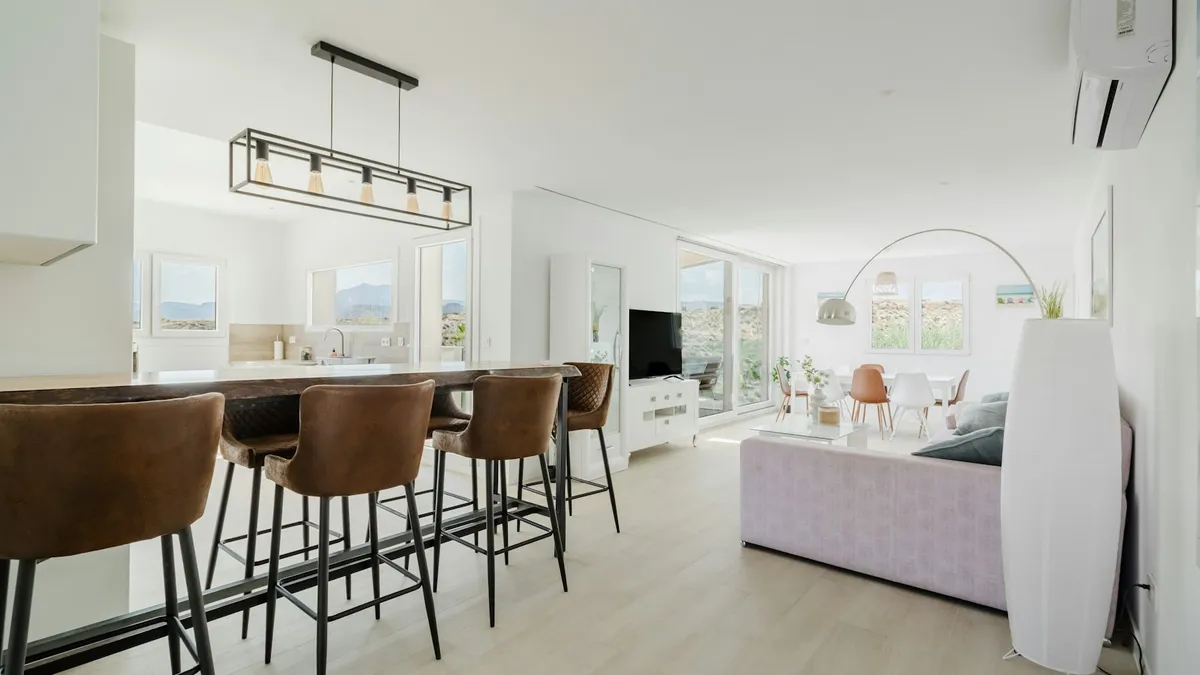
Home staging is preparing a home visually for sale, not renovating it. It means depersonalising, decluttering, improving light and, when needed, furnishing temporarily so any buyer can picture themselves living there from the first photo. It doesn’t change the layout or the installations: it changes the first impression, and the first impression is what decides whether someone books a viewing or keeps scrolling.
What home staging actually is
Before a home goes on the market, it goes through three simple stages: depersonalising (removing family photos, diplomas, fridge magnets and very personal items), decluttering (clearing excess furniture, misplaced clothes and accumulated odds and ends), and light (opening blinds, cleaning windows, replacing dead bulbs). In empty or very bare homes, a fourth stage is sometimes added: furnishing with the bare minimum needed so rooms read clearly at a glance, especially the living room and main bedroom.
None of this is a renovation. No installation gets touched, no floor gets replaced, no wall gets moved. It’s presentation, not construction, which is why it can happen in days, not months.
Why it works
A buyer decides in seconds, scrolling through photos on a property portal, whether to keep looking at that listing or move to the next one. A decluttered, well lit home with no trace of the owner’s personal life lets a buyer picture themselves in it; a cluttered, dark home full of someone else’s memories does the opposite: it keeps reminding them the home belongs to somebody else.
According to data from the Spanish Home Staging Association reported by idealista/news, homes prepared with home staging have sold in under 38 days, compared with a market average of 130 days, and their perceived value can rise between 5% and 15%. These are figures put out by the industry itself, without a published methodology, and are worth reading as a trend rather than a consolidated national average or a guarantee for any single property. Even so, the logic behind them holds up: the easier a space is to understand in photos and in person, the less time it spends listed and the less room an owner has to give away in negotiation.
This approach fits naturally with an architect’s eye: it isn’t just about looking nice, it’s about understanding what each space is actually doing (light, proportion, sightlines) and working with that instead of against it. It’s the same logic behind valuing a home properly: looking at what each room can offer, not just the square metres on paper.
What you can do on a low budget
Most of home staging costs very little money. It costs time and judgement:
- Depersonalise: remove family photos, holiday souvenirs and very personal items from shelves and the fridge.
- Declutter: empty wardrobes to about half their capacity, put away what isn’t used daily, and remove furniture that overcrowds a small room.
- Fix small details: a dripping tap, a squeaky hinge, a loose socket or a recent damp stain are the kind of things a buyer notices immediately, and they’re cheap to fix.
- Lighting: matching bulb tones throughout the home, blinds open during viewings, clean windows.
- Neutral textiles and a plant or two: a throw or cushions in a neutral colour, plus a plant or two, add warmth without distracting.
- Remove excess furniture: fewer pieces make a small room look larger in photos, not smaller.
When a bigger investment makes sense
In empty homes, especially inherited flats or unfurnished second homes, a temporary redecoration with rented furniture can pay off: a sofa, a table and a bed in the key rooms so buyers understand the real proportions of the space, something many people struggle to picture from an empty floor plan. This option costs more than depersonalising and decluttering, and it’s worth weighing case by case, depending on the type of home and the buyer it’s aimed at.
What home staging is not
Home staging doesn’t disguise structural defects or hide problems that need to be disclosed to a buyer, such as structural damp, an outdated electrical installation, or a building pathology recorded in a technical inspection report. Tidying, lighting and depersonalising change how a home is perceived; they don’t change what the home is. That distinction matters for the owner, who avoids surprises if a buyer brings in a surveyor or requests a valuation, and for the sale itself, which gets harder if the first impression doesn’t match the reality that follows.
How we approach it at Muela Ripoll
Before listing a home, we visit it with an architect’s eye and say exactly what’s worth touching, and what isn’t, so the photos and viewings make the best possible impression without spending on things that won’t show up in the final price. It’s the same judgement behind the most common mistakes when selling a flat in Alicante: before setting a price and listing, it helps to be clear on what you’re showing and how.
If you want to know what’s worth preparing in your home before selling, get your free valuation, with no obligation.